Reading Like a Keeper: Companion Notes
Keeper companion notes for a second reading of The Obsidian Key: the copy test, exactness, margins, and what slow reading tunes in the reader.
8 min readRead →
TOPIC
Field notes filed under this topic.

Keeper companion notes for a second reading of The Obsidian Key: the copy test, exactness, margins, and what slow reading tunes in the reader.

A manual arms while a fragment only excites: the distinction behind the First Breach Edition, what fragments do to readers, and why the book is whole.
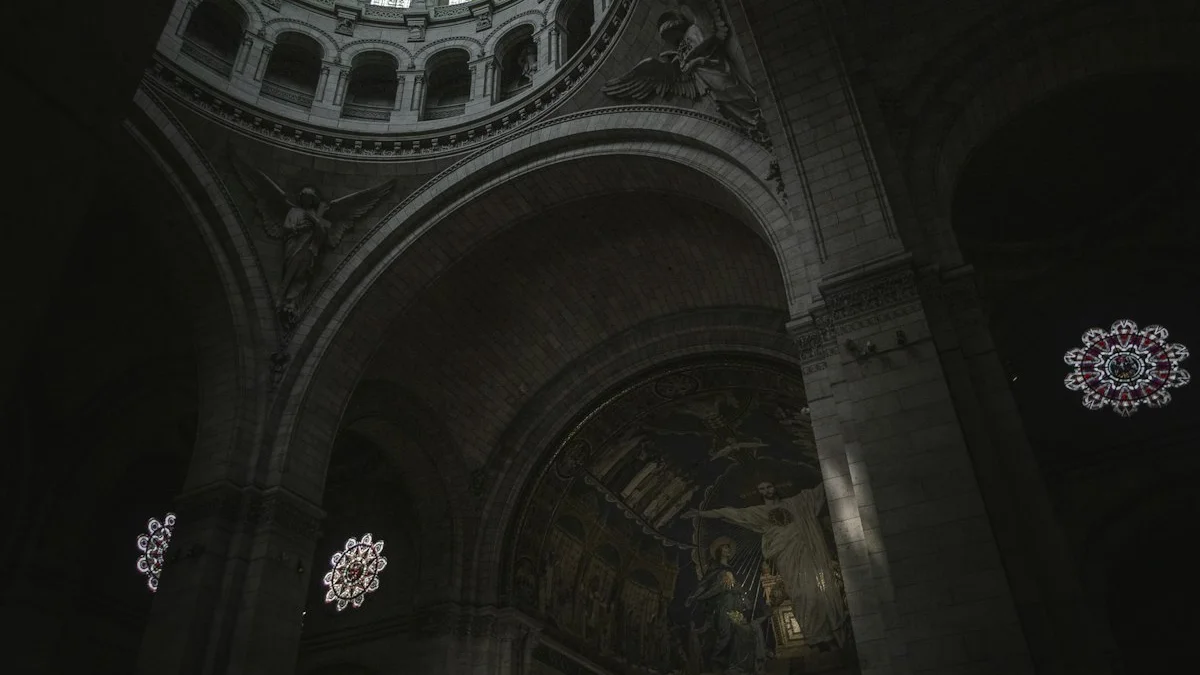
A map of the obsidian key structure: what Parts I to III each teach, why they arrive in that order, and which part answers the problem you brought to the book.
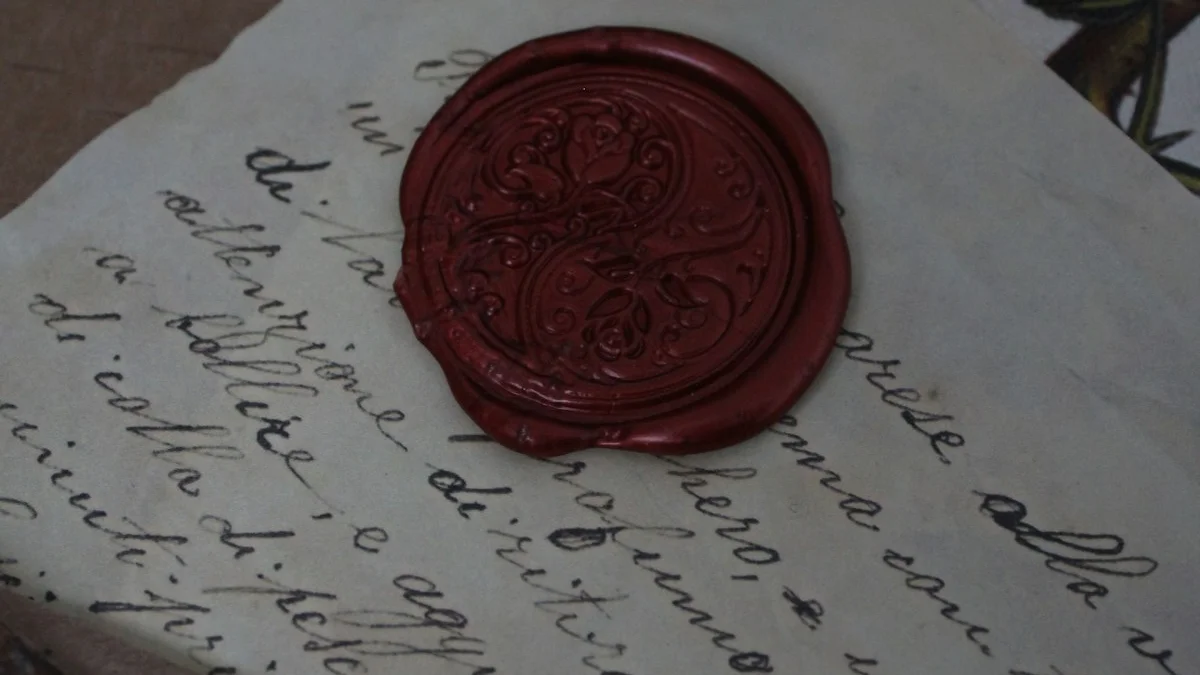
Reading the confession narrator in the Obsidian Key: why the book frames its expelled archivist as evidence that the material costs something, and how to read him.
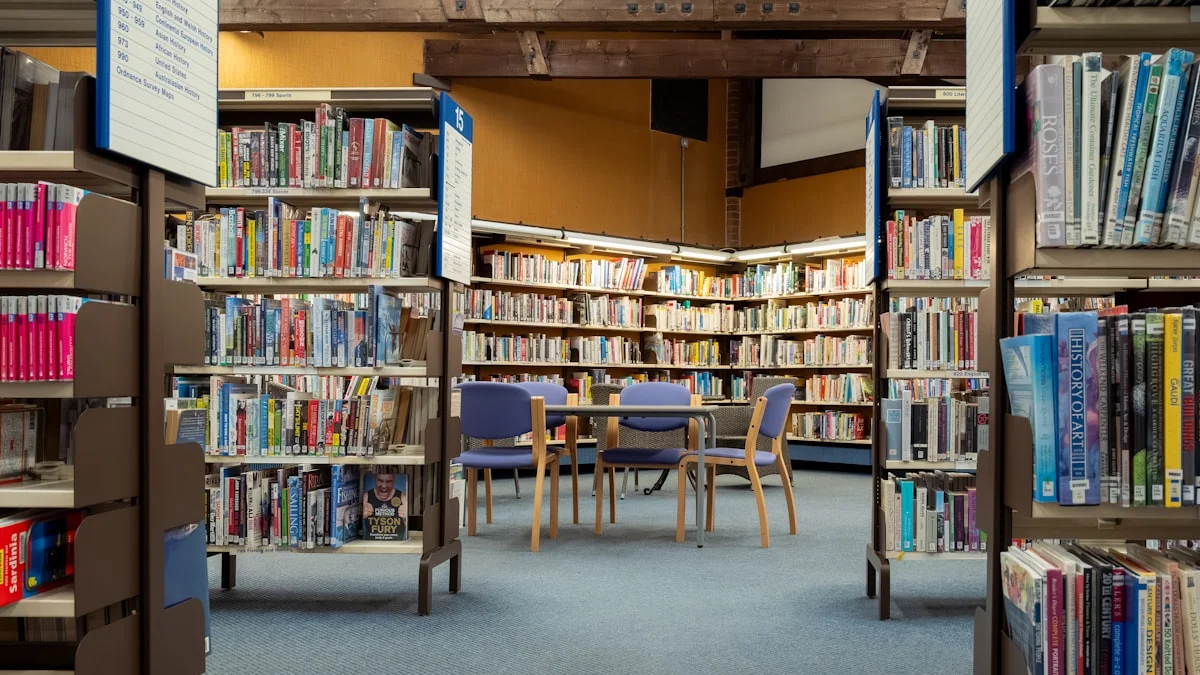
Is the Order real. A close reading of what The Obsidian Key claims about its secret archive, what it declines to claim, and why the narrative frame is method.

Night one in the Halloway House: the gravel drive, the key under the stone, the two-line instruction, and why the first night in the archive held no fear.
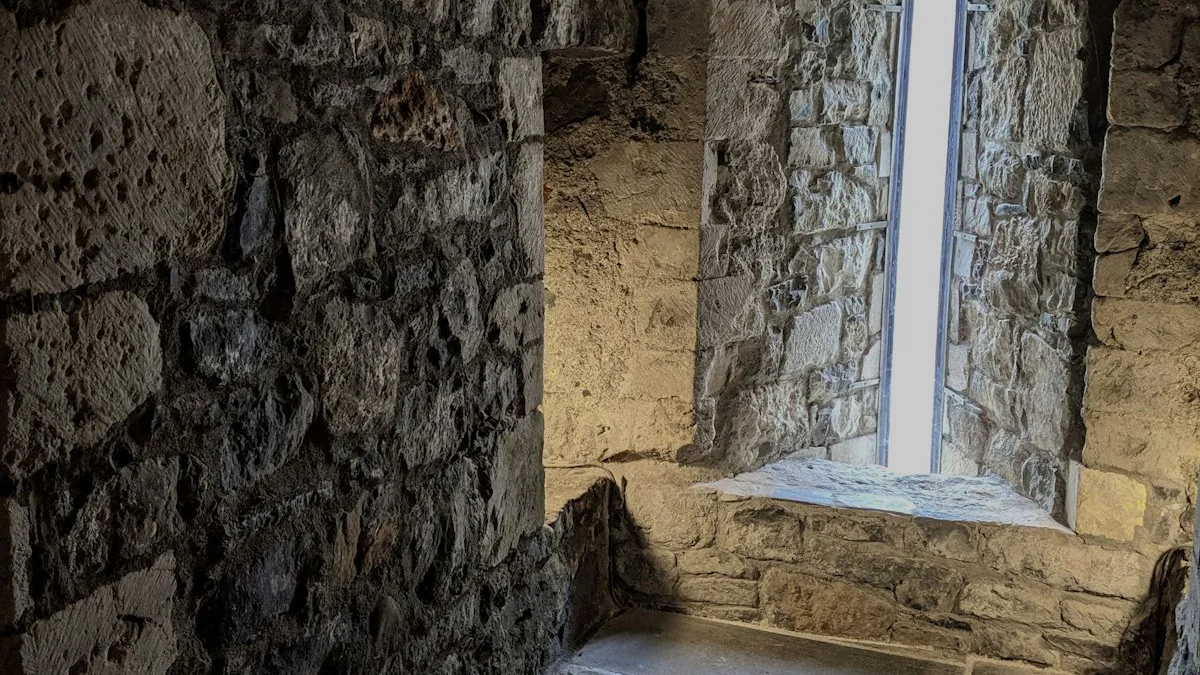
Burial by dilution is how the gates absorb leaks. The three fates of leaked knowledge in the book, and why the Architecture keeps resurfacing anyway.
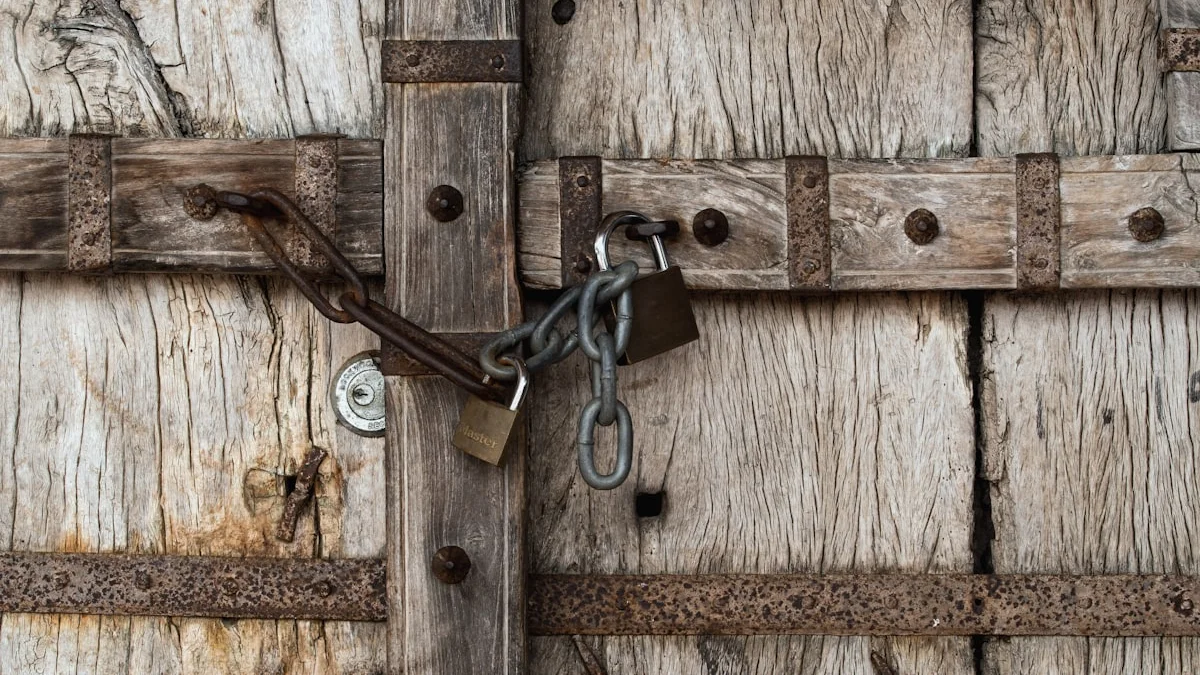
A lore guide to the folio archive doors the narrator could never open: what stayed shut, who held the keys, and why limited access was the lesson.

Five obsidian key lore mistakes new readers make, from conspiracy readings of the Custodians to misreading the opening note, each one corrected from the book itself.

Leaked occult knowledge resurfaces every generation because the Architecture cannot be copyrighted. The three fates of a leak and why this book is a breach.

Custodians vs the Order, compared calmly: a loose confederation against one poor node inside it, and how scale, wealth, and function set the two bodies apart.

Where the veil doctrine comes from: not a curtain in the sky but an installed training, delivered by every channel at once, and what the Folios say it is.

The twenty-one obsidian folios fragments open every part of the book. Where the epigraphs come from, what each line carries, and how they map the doctrine.
Hand copied manuscripts sit at the center of the Order's method. Why copying tuned the copyist, and what that discipline means for the book you hold.

The casting out, explained: why the narrator of The Obsidian Key was expelled from the Order without a trial, and what his margins confessed for months.

What the First Breach Edition means, why the book exists outside the doors that rationed it, and what a complete manual changes for a first-time reader.

An obsidian key lore check: five popular claims tested against the page, from the Order's poverty to the Custodians' role. What the book states, what fandom adds.

Keeper of the outer folios is the shallowest rank in a deep archive. What the title means, what it actually guarded, and what stayed behind the doors.

Access without alignment curse is how readers shorten the book's central warning. Here is the scene behind it, the fifteen years, and why the price is structural.
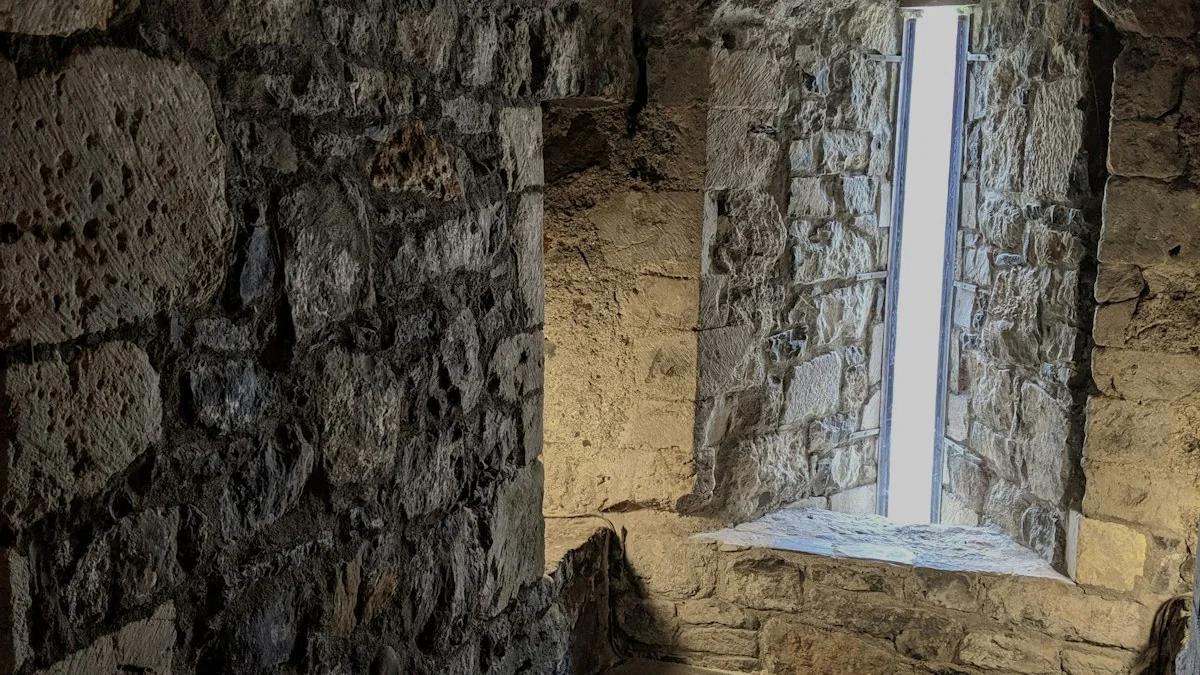
The Order kept the Obsidian Folios for decades. Inside the archive: fifteen years of service, the poverty of its members, and the rules that shaped the keeper.

What the Obsidian Folios are: hand-copied manuscripts, centuries of careful hands, and the source of every epigraph in The Obsidian Key. A calm history.

The Halloway Collection was a dead man's occult library, catalogued by night. Inside it waited the Obsidian Folios and a lesson in sealed attention.
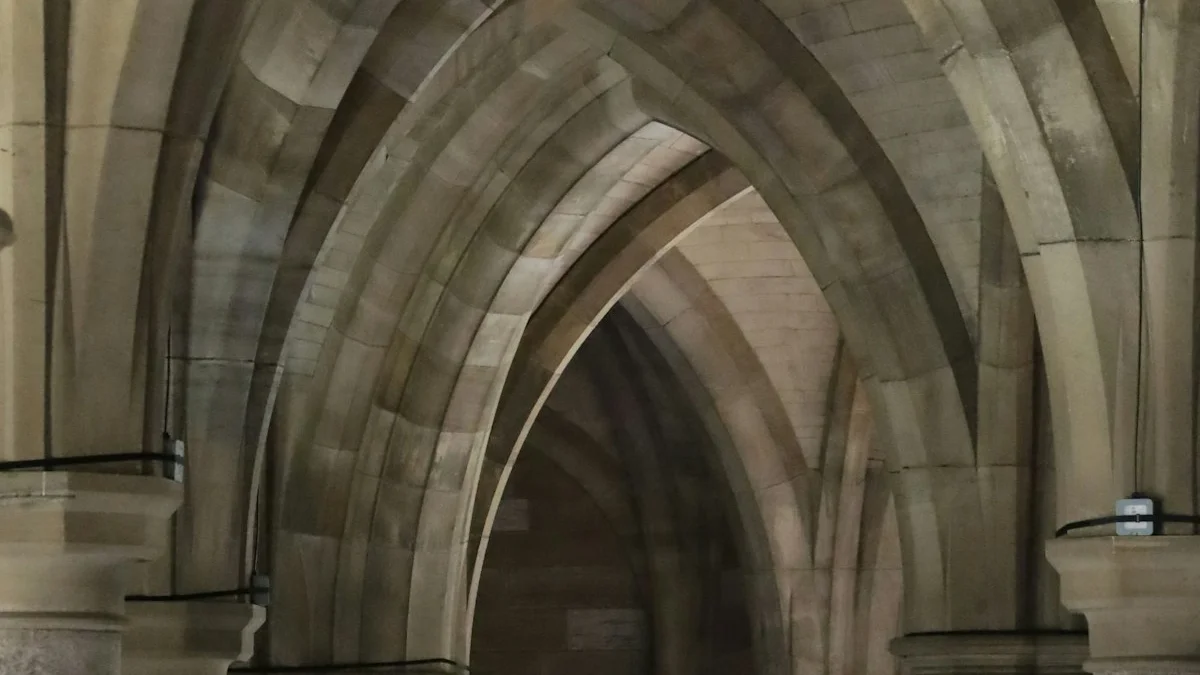
Who are the Custodians in the Obsidian Key. A calm lore guide to the loose confederation that gates knowledge of the Architecture, and what they never do.