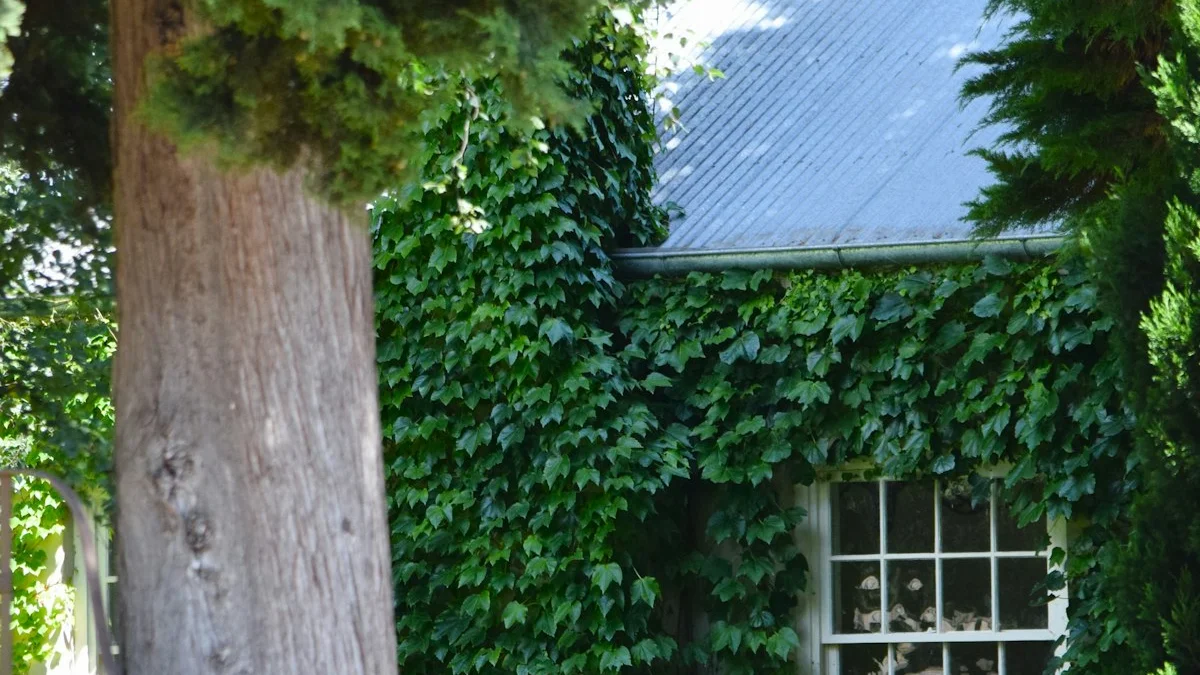
The job looked ordinary on paper. Catalogue the private library of a dead man, at night, alone, for poor pay. Nineteen years old and broke, the narrator of The Obsidian Key took it, and what he walked into became the strangest object lesson in the whole book: the Halloway Collection house, a residence that turned out to be a piece of practice equipment. This page walks that house the way the book presents it, room by room, and draws out what a sealed home teaches about your own. It belongs to the environment and order pillar, where the doctrine of rooms, addresses, and residue is laid out in full.
Key takeaways
- The house announces its rules before anyone speaks: keys under stones tell you what kind of house it is.
- Dust, paper, and pipe smoke soaked so deep into the shelves that the rooms remembered him; a home can hold a man’s residue.
- The collector’s habits were an inventory of containment: no television, a fixed correspondence hour, visitors by arrangement.
- The book reads the estate as a Closed Circuit, and its wealth as the residue of an attention that had nowhere to leak.
- The lesson lands at your own front door: your rooms tune your Receiver whether you design them or not.
Night one: the key under the stone
The house stood back from its road behind a gravel drive, behind trees that kept it in half-dark even under a full moon, and the arrangements had been made in advance by a man who was no longer alive. The key was under a stone, exactly where the letter said it would be, and the narrator records the thought the finding produced:
“a man who hides keys under stones has already told you what kind of house this is.”
Nothing is explained to him, and nothing needs to be. Before a single page of doctrine has been taught, the house has already taught its first lesson: this is a place where arrangements hold without supervision. A sealed life leaves evidence of its sealing in its furniture, and the drive, the trees, and the stone are that evidence.
An inventory that was secretly an audit
Inside, the atmosphere is catalogued in one dry sentence that carries the whole doctrine of environment:
“Inside: dust, paper, and pipe smoke soaked so deep into the shelves that the rooms remembered him.”
The rooms remembered him. Not a museum piece, not a shrine; a residence so thoroughly steeped in one man’s decades of held attention that the air itself is an archive. A green-shaded lamp waits over the work table, and an instruction sheet in a neat, cold hand gives the only briefing: catalogue, do not read. The narrator logs his hours, unwraps nothing, and works. The estate is behaving like the man, which is precisely the point the environment pillar makes: a household is not a backdrop. It is the practice, crystallized.
What the Halloway collection house actually was
The book withholds its real verdict on the estate for years, and when it arrives, it lands as an accounting correction. The facts the young cataloguer recorded as eccentricities turn out to be architecture:
“It was years before I understood that I had been paid, at nineteen, to inventory a Closed Circuit, and that the wealth I was cataloguing was the residue of an attention that had nowhere to leak.”
Read that inventory again and notice how unmagical it is. The collector owned no television. He answered his correspondence once a week, in a fixed hour. He received visitors by arrangement, briefly, and then the door closed again. Every habit on the list is a decision about where attention goes, and nothing on it requires belief in anything. Attention gathered, contained, and spent only where its owner chose, for decades, until the residue was a fortune and a library to explain the fortune. The full story of that night shift and what it led to is told in the story of the Halloway Collection.
The lesson for a house that still has you in it
The lesson is not admire the dead man’s discipline. The lesson is that your rooms are doing the same work in reverse, right now, whether or not you designed them to. The doctrine of the Shield states the mechanism plainly:
“The Receiver is a tuning instrument, and it tunes to rooms.”
And the mechanism runs on residue:
“Spaces accrue Signal residue, and a man can be immaculate in himself while living inside an antenna pointed at everything he is trying not to receive.”
A kitchen where an argument was fought holds the argument. A bedroom holding a phone holds ten thousand strangers. The immaculate practitioner inside the antenna is the modern portrait of the same problem the Halloway house solves by accident: the collector’s rooms pointed at nothing he was trying not to receive, because he had decided what entered them. Your version does not need a gravel drive. It needs a chair that is not the bed, a door that closes, a cheap notebook, and an hour that repeats, which is the whole starter kit described in the chair, the door, and the notebook. The tuning itself is worked out in why rooms tune your Signal.
The house was never the point
There is one more correction, and it protects the lesson from nostalgia. The narrator leaves the estate behind and tests the doctrine in the least atmospheric places available, and he reports the result without romance:
“It works in apartments and warehouses and checkout lines. It was never a property of the house.”
The Halloway house is a demonstration, not a requirement. Nothing in the doctrine needs a dead collector’s fortune or a library in the cellar, because the material was never about the building; it was about the containment the building happened to preserve. A kitchen chair can hold what that house held. The overview of what the book itself contains, chapter by chapter, stands in a plain overview of the book, and if you want the manual that made the house unnecessary, it is The Obsidian Key.
Frequently asked questions
Is the Halloway Collection a real place
The book presents it through first-person testimony that names no institution and gives no address, and the lore treats that withholding as deliberate. The house functions in the doctrine as a portrait of a sealed life, and its reality claim is the same kind the narrator makes everywhere: here is what was done, and here is what it produced.
What does a sealed home mean in the doctrine
A home whose openings were chosen. Correspondence answered in a fixed hour, visitors received by arrangement, a working table with its own lamp and its own closed door. The estate is called a Closed Circuit in miniature: an attention contained long enough that its residue became visible as wealth, order, and a library.
Do I need a quiet house to practice
No, and the book is explicit that the work survives translation into apartments, warehouses, and checkout lines. What the practice needs is an address: one chair, a closed door, a fixed hour. A loud home slows the tuning; it has never stopped it.
What is Signal residue in a house
The book’s term for what spaces accrue: the trace of the attention and events that happened in them. A kitchen holds its argument, a bedroom holds its phone, and a held state held long enough in one place soaks into the shelves. Residue is why rooms feel heavy or light before anything in them has been said.
This guide is educational and spiritual in nature. It is not medical, legal, or financial advice. If a practice brings up distress, speak with a qualified professional.
Stand where the lamp is
Walk your own rooms with the collector’s inventory in hand: what enters here, when, and on whose terms. You will find an antenna or an address, and both are editable, tonight, with furniture you already own. The toolkit holds the room audit and the daily sheets that go with the practice address. The house in the story did its work for one man; the sealed life it models is available in The Obsidian Key.