The knock comes at the worst minute. You are eleven minutes into the only quiet stretch of the day - dishes finished, children down, the house finally exhaling - and a small fist finds the handle, because the door was open and open means available. You get up, you settle the matter, you come back, and the session is over in every way that counts. This is the night most people quietly quit, and the night a closed door practice would have saved, because what the practice was missing was never a technique. It was a boundary.
The doctrine of place is simple and easy to dismiss: attention compounds at an address, and an address is made of a chair, a door, and an hour. The wider map - rooms, light, objects, and the order a home can carry - is laid out in the environment and order guide. The door is its first instruction, and the cheapest one to keep.
Key takeaways
- A closed door is not about silence; it is exclusion - the room now knows practice has a boundary.
- The door is the first hinge of the circuit: sealed attention compounds, and open attention leaks.
- One chair, one door, and one fixed hour teach the Signal where the work happens.
- A full house does not cancel the practice; it shapes the form - headphones, a turned wall, an honest hour.
- What the household learns from the door matters as much as what you learn in the chair.
What a Closed Door Practice Actually Does
The instruction the book gives for the morning protocol is unusually small: “A closed door. Not silence; exclusion. The Sealing taught you what an open circuit costs. The door is the circuit’s first hinge.” Read it twice, because the second sentence is the one people skip. Exclusion is not the pursuit of quiet. It is the declaration that this hour has an inside and an outside, and that you are standing on the inside of your own attention.
An open door says the opposite. It says the session is provisional, interruptible, a kind of sitting that any passerby may suspend. The body logs that verdict, and the deep mind - which obeys evidence rather than intention - files the practice under things that can be moved for others. Six nights of that filing outweigh the seventh night of good intentions.
The closed circuit is an electrical fact before it is a mystical one. Current that escapes into the air lights nothing. Attention that leaks through an unguarded doorway, literal or figurative, never accumulates to the threshold where a life turns. The door is where the circuit begins, which is why it is named before the chair and the notebook in the order of preparation.
Exclusion Is Not Silence
Parents meet this distinction first, because silence left the house around the time the children arrived. Silence is external: the room goes quiet and the noise continues anyway. Stillness is internal: the noise may continue and you are no longer located in it. The book draws the line hard: “A monastery can be loud inside. A commuter train can be silent inside.” The door does not purchase the second thing. It marks the ground on which the second thing can be practiced.
This is why the practice survives imperfect houses. A closed door with cartoons audible through it is still a closed door. The exclusion is real even when the silence is not, and the Receiver can be trained at that address. What the practice does not survive is the open door, because the open door teaches the opposite lesson every single night: that the work yields to interruption.
People who report that everything holds at the office and dissolves at the kitchen table are usually describing a missing door, and the repair is documented in why practice holds everywhere except home. The skill transferred with you. The boundary is what stayed behind.
Setting Up the Door in a Full House
The setup costs nothing, and it is worth doing tonight rather than perfectly.
Choose the room and the chair
Any room will do; the chair cannot be the bed. “A kitchen chair outperforms a throne. Use one chair, the same one, and let it become an address the Signal recognizes.” The door matters in relation to the chair: you are fencing an address, not decorating one. Why the chair itself can never be the bed is its own lesson, kept in the chair that is not the bed.
Tell the house what the door means
Children respect a law they can see. The door is closed means the parent is at work and returns at the end of the hour - not angry, not gone, just addressed. Hold the hour lightly at first: fifteen minutes, then twenty-five. The worst outcome is a theatrical vow followed by a week of broken sieges. A small door kept defeats a large door announced.
When there is no door
Small apartments, shared rooms, night shifts. The book’s own instruction: “If the household cannot be excluded, exclude the world with headphones and a turned wall.” The exclusion is a direction the body understands - face away, ears sealed, hour claimed. A turned wall is a door made of posture, and the practice recognizes it.
What the Household Learns
A closed door practices on two people at once. It works on you: the hour stops leaking, and the chair begins to accumulate the repetitions that turn practice into an address. And it works on everyone else, because a visible boundary is a nightly lesson that attention is a possession, that it can be spent on purpose, and that a person can belong to themselves for twenty-five minutes and come back kinder than they left. “The Field compounds what repeats at the same address.” The sentence is about the Signal, but the household reads it too: the same chair, the same door, the same hour, kept. A room that carries residue - the argument, the phone, the scroll - works against that compounding, which is why rooms tune your Signal whether or not you ever sit in them.
The morning session the door protects is walked step by step in the morning ritual of the Key, and the one-page cards for chair, door, and hour sit in the toolkit.
Frequently asked questions
Does the door have to be locked
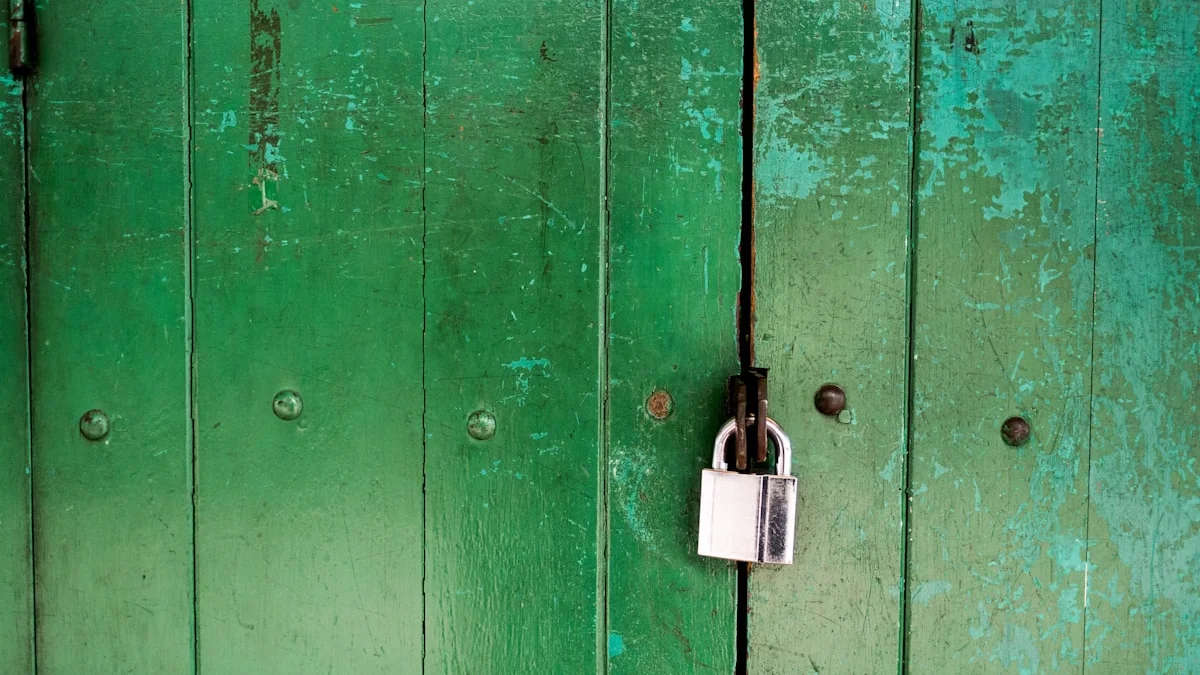
No. Locking is fortification; closing is exclusion. The practice needs the boundary to be legible, not defended. A door that latches is enough, and a shut door with a child’s drawing taped to it counts double.
What if I live alone and there is no one to exclude
You are still excluding something: the phone, the feed, the tab left open, the version of you that checks. The door closes on inputs as readily as on people, and the solo practitioner usually needs it more, because nobody else will close it on their behalf.
Is white noise or music a failure of exclusion
Not if the door stays closed. The instruction is exclusion, not silence, and sound that guards the boundary - a fan, instrumental noise through headphones - serves it. What fails is the open door with sound on top, which is interruption with a soundtrack.
How long before the door starts to matter
The body learns an address faster than the mind credits it. Most practitioners report the session changing within a week - fewer internal negotiations, a quicker settling - because the nightly argument about whether to practice is exactly what the door deletes.
Can the hour move with the family schedule
The hour wants to be fixed more than it wants to be early. Move it if the household genuinely moves, and keep the same address and the same door. Seven days at one standing hour outweigh thirty days at whenever the house finally goes quiet.
This guide is educational and spiritual in nature. It is not medical, legal, or financial advice. If a practice brings up distress, speak with a qualified professional.
A closed door is the cheapest piece of equipment the practice names, and the only one that works before you sit down. Close it, take the chair, keep the hour, and let the circuit find its first hinge. The full doctrine of the door, the chair, and the address they form together is in The Obsidian Key.