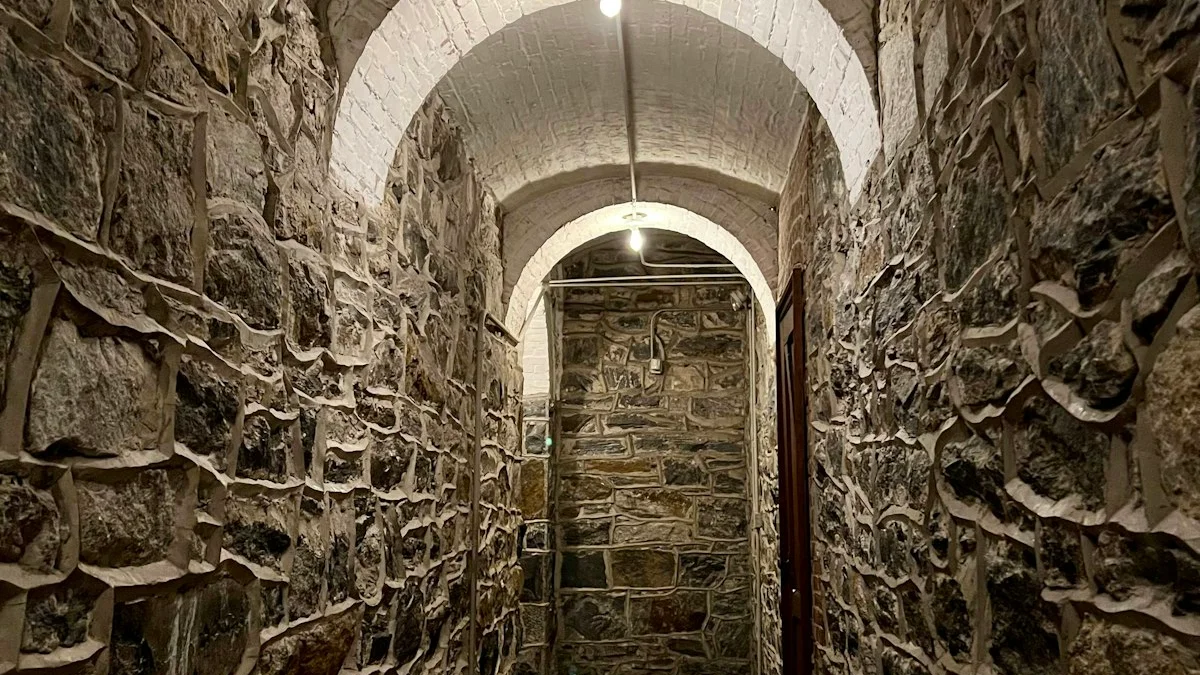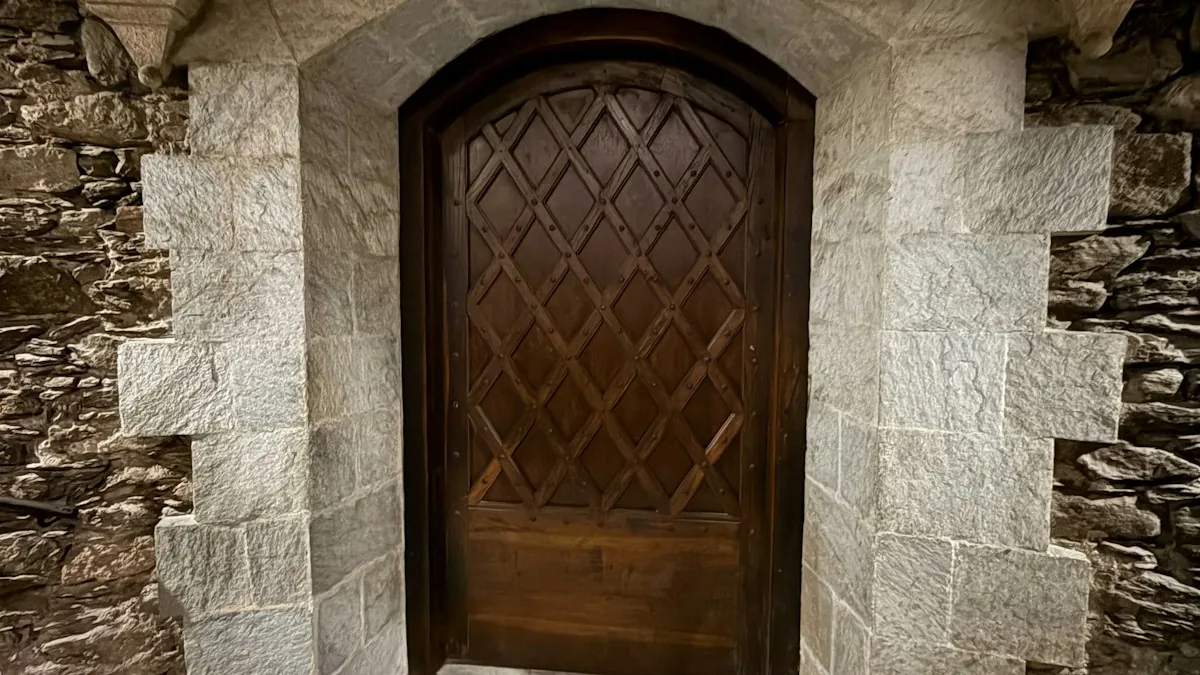
You have tried to change the broadcast from the surface. New sentences over the old noise, a better mood worn like a coat, and by the second week the transmission sounds like you again - the older you, the one you were trying to replace. The model behind this book has a name for why surface edits fail: they are made above the level where the writing happens. The fourth part of the architecture is the silent center, the still point beneath thought where the Signal is authored, and it is the only part of the model you cannot photograph. The reality architecture guide lays out the whole model; this page stays with the fourth part, the one the whole book turns on.
Key takeaways
- The architecture has four parts: the Field, the Signal, the Receiver, and the Silent Center.
- The Center is a location, not a mood: the authoring floor where the Signal is drafted.
- Everything above it can be imitated from the surface, and the Field is not fooled by surface.
- Entry is through stillness, because thought is weather, and you cannot author the sky from inside the rain.
- The noise is not you; the one who watches the noise cross is older than any storm.
What the Silent Center Is
The book introduces the fourth part the way it introduces a room, by walking you down into it.
“Beneath thought, beneath mood, beneath the Receiver’s hum, there is a still point of pure awareness.”
Three floors down: beneath the thought-stream, beneath the weather of feeling, beneath even the static of the body. What stands there has a name and a rank.
“The Folios call it the Silent Center, and it is the fourth part, and it is the one the whole book turns on.”
The glossary keeps its definition equally short.
“the still point of awareness beneath thought, where the Signal is actually authored. Entry is through stillness, which is why stillness is the master key.”
Notice what the definition does not say. It does not say the Center produces good feelings, and it does not say it is achieved. It says authored. The word is the hinge of the whole model, and the next section is about what it costs.
The Room Where the Signal Is Written
Everything above the Center can be counterfeited, and usually is.
“The Silent Center is where the Signal is actually authored.”
Identity, attention, emotion - the three components of the broadcast - can all be imitated from the surface, and the book is unsentimental about it: the Field is not fooled by surface. A rehearsed affirmation in a dysregulated body is a forgery with the right watermark and the wrong ink. What the Field matches is what was written at depth, which is why surface work produces such accurate disappointment.
At the Center, the distinction between remembering and choosing appears.
“you are not remembering a self. You are choosing one.”
That sentence separates the two lives most people live in sequence: the self remembered from childhood and circumstance, replayed daily, and the self drafted deliberately beneath the weather. The book’s claim is not that the second one is easy. It is that the second one has an address, and the address can be learned.
The Only Door In Is Stillness
The model is exact about access, and the exactness is the point.
“Entry is through stillness. There is no other door, no shortcut through thought, because thought is weather, and you cannot author the sky from inside the rain.”
You descend below the weather; you do not argue with it. Arguing with a thought is weather too, which is why the door has no verbal handle. The oldest instruction in the book’s tradition is one line long.
“Stillness is the master key.”
And the book is specific about the kind of stillness meant, because the word arrives pre-loaded with the wrong meanings.
“Stillness as access. The single regular act that reaches the authoring floor of your own instrument, where the broadcast is written before it is sent.”
Not stillness as rest, not as escape, not as the absence of thought. Access. This is also why the first of the nine laws is the law of stillness: the laws are an assembly order, and the assembly starts at the floor where the writing happens. The practice built for that door is its own subject - the skill below thought describes the descent, and the Still Seat describes the seat it happens in. The working pages for both live in the toolkit.
What the Silent Center Is Not
The fastest way to lose the fourth part is to mistake it for something softer.
“It is not a metaphor for peace, and not a mood you occasionally visit.”
It is a location in the architecture of a person, the way a basement is a location in a house: present whether or not you ever go down. Peace may occur there, but peace is weather, and the Center is the room the weather happens in. The second mistake is mistaking the noise for the neighbor. The book’s finding on this is the one it returns to more than any other.
“Here is the finding the Folios return to more than any other: the noise is not you.”
You have listened to the noise so long, and flinched at it so reliably, that you have concluded the flinch is your self. It is not. Thought is weather; it crosses. The one who watches it cross is older than any of it, and has never been damaged by a single passing storm.
Where It Sits in the Model
The four parts work as one instrument. The Field is the medium that matches whatever is actually sent. The Signal is the broadcast itself - identity, attention, and emotion fused into one transmission, described plainly in the Signal as your total broadcast. The Receiver is the body and nervous system that generate and tune the transmission, covered in the Receiver as the broadcasting instrument. The Silent Center is where the transmission is written before the instrument carries it. The book’s own glossary line keeps the order straight.
“the hidden operating layer beneath events: the Field, the Signal, the Receiver, the Silent Center. The visible world is its output.”
The sequence explains a common frustration. People tune the Receiver, decorate the Signal, and skip the Center, then wonder why the broadcast keeps reverting. A clean instrument carrying an unwritten page still carries the old page. If the whole model needs a map before the parts, the model from the beginning lays it out without any of the machinery.
Frequently asked questions
Is the Silent Center the same as the Still Seat
No. The Center is the location; the seat is the practice that reaches it. The chair, the closed door, and the fixed hour are furniture and schedule, built to serve a room that exists with or without them. The distinction matters in practice: you can keep the seat perfectly and never descend, or descend from a kitchen chair, because the address is beneath thought, not inside the furniture.
Do I have to meditate for the model to work
The model describes, it does not demand. You can learn it as a map first, and it will already explain a great deal about why surface efforts revert. When you want to write rather than read the broadcast, stillness is the entry the book gives, because it is the only one the model allows. The order is learn the model, then take the door.
What if I never feel still
Stillness is not the feeling of quiet; it is access, and the feeling arrives late if at all. The descent is measured by attention resting beneath the noise, not by the noise going silent. The book’s comfort here is structural: the noise crossing overhead was never the self, so its volume is not the report. A practiced groove carries you down before you have done anything impressive.
Why does the book call it a room
Because authorship implies an address. A room can be entered, left, furnished, and reclaimed, and the metaphors the book reaches for - the workshop, the floor, the seat - all assume a place where work is done. Calling it a mood would make it weather; calling it a room makes it real estate, and real estate can be yours.
How is the Silent Center different from the Receiver
The Receiver is the body and nervous system: the instrument that generates and tunes the broadcast, and the part that keeps the score the mind replays. The Center is beneath the Receiver’s hum, the awareness that decides what the instrument will carry. One is hardware, the other is the author at the desk; regulation serves authorship, and never replaces it.
This guide is educational and spiritual in nature. It is not medical, legal, or financial advice. If a practice brings up distress, speak with a qualified professional.
The floor where the writing happens
The fourth part of the model is the one you cannot photograph, which is why the book gives it a room instead of a diagram. The broadcast is written somewhere, every day, in every life; the only question the model asks is who is holding the pen. You can descend once and see the difference for yourself, in ninety seconds, with no technique beyond a long exhale. The architecture in full - the Field, the Signal, the Receiver, and the Center that authors them all - is taught in the author’s own hand in The Obsidian Key.