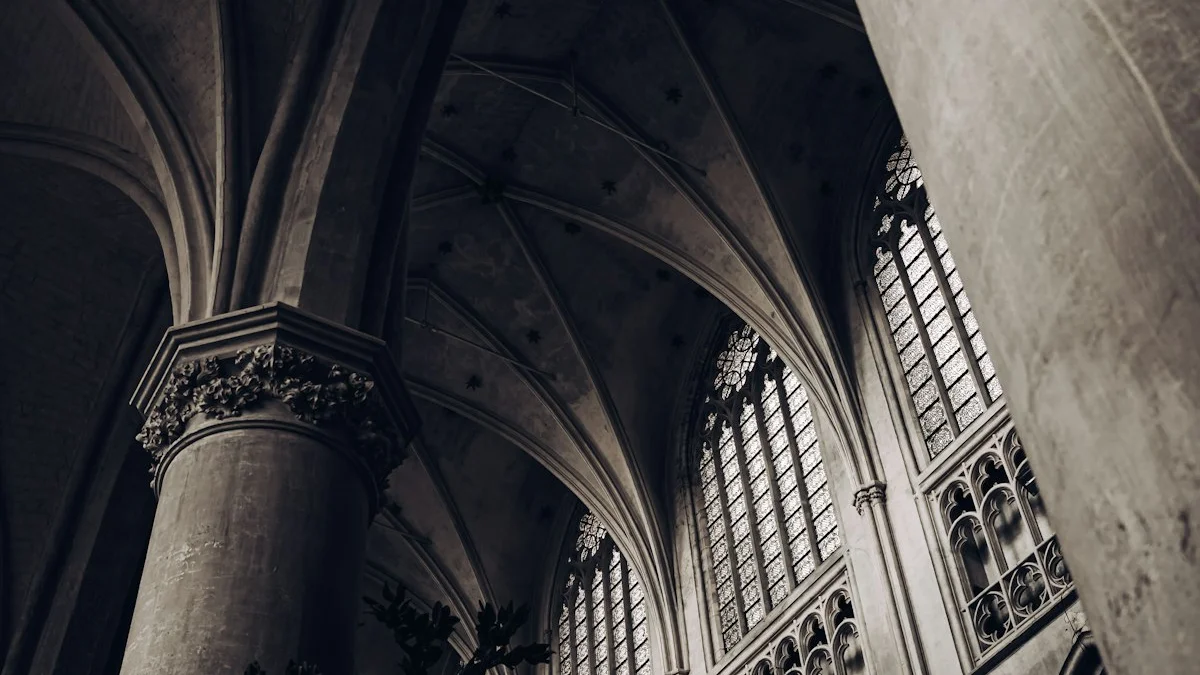
You did everything the quiet requires. Earplugs, the noise machine, the phone in another room, and the room finally went silent - and you lay there for an hour, narrating, rehearsing, flinching, louder than the traffic you had paid to exclude. That night is the whole case for the distinction stillness vs silence. Silence is a property of rooms; stillness is a property of the person in the room, and the First Law of this book is about the second thing. Where the distinction sits inside the full practice is mapped in the stillness practice guide.
Key takeaways
- Silence is external: the room goes quiet, and the noise continues anyway.
- Stillness is internal: the noise may continue, and you are no longer located in it.
- A monastery can be loud inside, and a commuter train can be silent inside.
- The hand that walks to the phone in every empty thirty seconds is the diagnosis.
- The aim is not a quieter world; it is eleven clean minutes below the weather of thought.
What silence is, and where it lives
Silence is the easier of the two to buy, and the easiest to confuse with the goal. The book’s definition is short: “Silence is external: the room goes quiet, and the noise continues anyway, as every sleepless night has proven.” Silence lives in decibels. It is a condition of walls, windows, and other people, and every device you own promises versions of it. You can acquire it, rent it, or travel to it, and none of that touches the thing that kept you awake, because the thing that kept you awake came with you.
Sleep gives the same testimony from the other direction. A night that ends with no memory of ever descending - no recollection of crossing from waking into rest - is a night that goes by like a hallway rather than a room. The body lay in absolute quiet, and the mind never once put anything down. Rooms do not do that to people. Locations do, and the location that night was nowhere still.
What stillness is, and why it is not the opposite of noise
Stillness is not the second half of the same scale. It is a different axis: “Stillness is internal: the noise may continue, and you are no longer located in it.” Read that twice, because the move is spatial, not acoustic. Nothing about the room changes; the location of the one who was suffering does. Beneath the thought-stream there is a layer that has never moved - “still water under weather. This is the Silent Center.” - and the practice is a descent to that layer, not a campaign against the weather above it.
The descent is possible at all because of the finding the Folios return to more than any other: “the noise is not you.” You have listened to the noise so long, and flinched at it so reliably, that you concluded the flinch was your self. It was not. Thought is weather; it crosses. The one who watches it cross is older than any of it - and that one, not the room, is what the practice tunes.
The stillness vs silence distinction in practice
The two goods are related but not interchangeable, and the order matters: “You are pursuing the second thing, and you will receive the first as a side effect. But do not confuse the goods.” A quiet room is the side effect, and it is genuinely worth having - but a person who owns the side effect and calls it the goal will spend years soundproofing a self that never descends. “A monastery can be loud inside. A commuter train can be silent inside.” Both halves of that sentence are documented daily.
None of this makes the quiet room an enemy. The side effect is real, and you can keep every earplug you own - the correction is in what you call the practice. A quiet room is the venue; the descent is the event. When the venue is mistaken for the event, people refine the venue for years and the event never happens. When the descent is the event, the venue stops mattering much, and that is the only kind of portability worth having: reaching the still point in an airport, a kitchen, or a parked car, because you no longer need the room to do it for you.
There is a fast diagnostic for which one you have been buying. Watch the hand: in queues, in elevators, in the thirty seconds it takes a kettle to boil, the hand moves toward the screen on its own, and if the phone is in another room a low unease takes its place. That is not curiosity. “It is the noise requesting a chaperone, because silence has begun to feel like a threat.” A mind that cannot tolerate eleven seconds of emptiness will not be fixed by emptier rooms: “A Receiver that cannot tolerate eleven seconds of emptiness is broadcasting that intolerance without interruption, and the Field is not sentimental about what it does with such a broadcast.”
What the seat is actually doing
If stillness is not an acoustics problem, it is also not rest, and the doctrine is precise about what happens in the chair: “It is not relaxation, which is the body slumping toward entertainment. It is not blankness, which is the mind stunned into a temporary absence. It is calibration: the instrument brought to rest by an act of will so that it can be tuned.” The seat is a workshop. The Receiver is the instrument, and the oldest instruction in the Folios is one line long: “Stillness is the master key.”
The return on it is asymmetric, and the asymmetry is the most encouraging finding in the discipline: “eleven clean minutes outweigh a noisy day.” A short transmission from the still point carries further than sixteen waking hours of static, because “You do not need more power. You need less interference.” Less interference is also the quiet dividend of sealing what the seat finds - the sealed attention the practice produces is described in the closed circuit of sealed attention. The mechanics of the descent, breath by breath, are walked through in the stillness skill of sitting below thought, and the interior move of the seat itself in sitting without fighting your thoughts.
This is also why the seat belongs to the morning rather than the evening of your good intentions. “A day is a current, and by afternoon you are inside it, being carried.” Calibration performed inside the current is correction; calibration performed before it arrives is authorship. No amount of quiet can supply that order - only the clock and the chair can, which is why the distinction in the title of this piece ends at a chair, eleven minutes, and a closed door of your own.
Frequently asked questions
Can you be still in a noisy room
Yes, and it is the proof the two things differ. The noise may continue; the location changes. A commuter train can be silent inside, which means the practice travels with you rather than waiting for the right room.
Is white noise or ambient sound cheating
It is a legitimate aid and an easy confusion. Sound can mask the room’s noise, and masking sometimes helps the descent - but the goal was never the masking. If the aid becomes the requirement, you have bought more silence and less stillness.
How is stillness different from just resting
Rest slumps toward entertainment; stillness is an act of will that brings the instrument to rest so it can be tuned. Relaxation changes how the body feels for an hour. Calibration changes what the instrument broadcasts all day.
How long before I feel it in a loud place
Expect the change in the gap between event and reaction first. The tuning is set in the morning seat, and by the second week the pause before the flinch is where you will notice it - inside the pause, a choice.
Do I need a special room to start
No. A chair, feet flat, eyes closed, and eleven minutes before any screen is the whole prescription. The room can be ordinary; the descent does the rest.
This guide is educational and spiritual in nature. It is not medical, legal, or financial advice. If a practice brings up distress, speak with a qualified professional.
Silence is a condition of rooms. Stillness is a condition of the one who will spend today in them, and only one of the two can be bought - the other is practiced. The book that opens with the First Law and teaches the descent is The Obsidian Key.