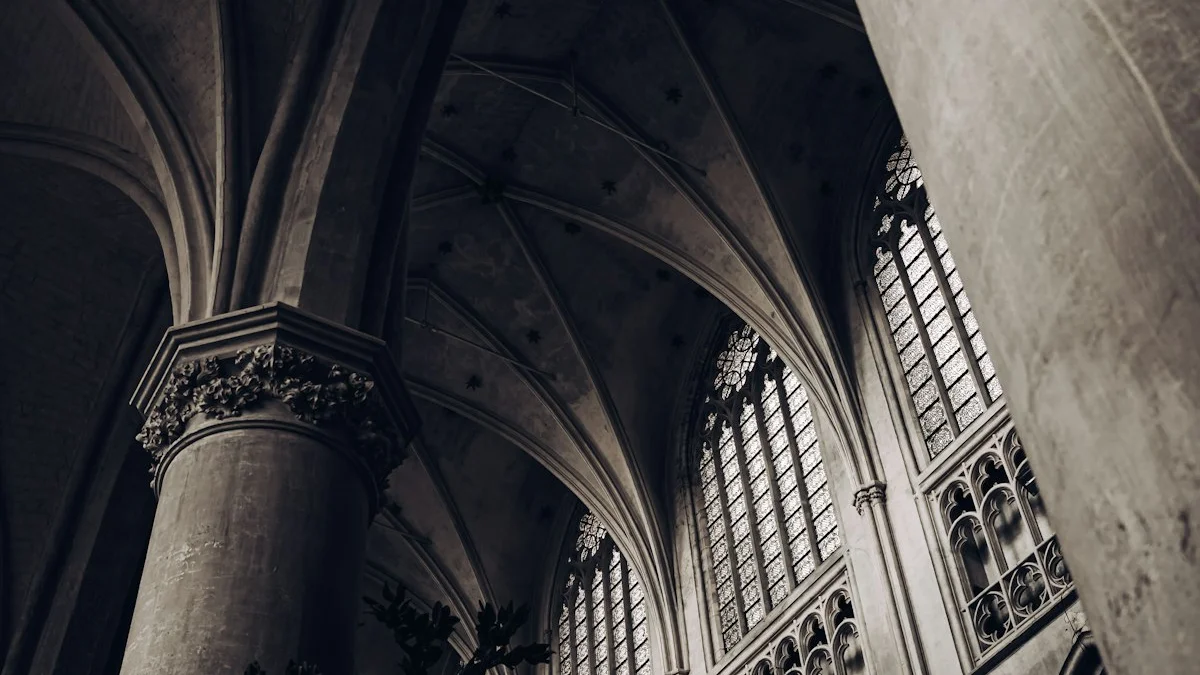
You decide, on an ordinary Tuesday, that tonight you will finally sit. You choose the softest place in the house, the bed, prop yourself on two pillows, and close your eyes. Nine minutes later you are asleep, or you are negotiating with a lower back that has opinions, and you conclude that stillness is not for you. Nothing was wrong with your effort. The problem was the furniture. The stillness posture is the body’s half of the bargain, and the whole practice it serves, from the first breath to the closing, is laid out in the stillness practice guide.
Key takeaways
- The posture is the first instruction of the practice: a chair, not a bed, feet flat, hands on the thighs, eyes closed.
- The spine is erect but not rigid, as though the crown of the head hung from a thread.
- The same chair at the same time trains the Receiver into a groove that begins to carry you down on its own.
- Discomfort in the first weeks is the noise changing mediums, not a verdict on the practice.
- Adjust once, slowly, and then let the posture hold.
What the stillness posture actually asks of you
The posture is not packaging around the real work. In this system the body is the Receiver, the instrument that generates and tunes the Signal, and an instrument that is slumped, braced, or drifting toward sleep distorts the transmission before a single breath is taken. So the instruction that opens the daily sit is a bodily one, and it is smaller than you expect.
“Sit in a chair, not a bed. Feet flat on the floor, hands resting on the thighs, spine erect but not rigid, as though the crown of the head hung from a thread. Eyes closed.”
Read that as calibration rather than etiquette. The whole practice aims at a quiet, deliberate lowering of your noise, and the posture is how the instrument is held steady while that happens. It is one piece of a larger craft, and the craft itself is described in the guide to stillness as a skill.
The posture, part by part
A chair, not a bed
The first instruction is furniture. A bed is trained for unconsciousness, and you have spent years teaching your body that lying down means leaving. Sit there with your eyes closed and the training does what it was always supposed to do. A chair borrows a different history: upright, supported, awake. Nothing exotic is required, any ordinary chair will do, and the longer reasoning behind the rule is in the case for a chair that is not the bed.
Feet flat, hands still
Flat feet hand your weight to the floor so that the body is not quietly gripping itself upright. Uncross the ankles, let the soles rest. The hands go on the thighs, and this is less decorative than it sounds: an idle hand finds things to manipulate, and every object it finds becomes a small errand. The seat is the one appointment in your day where your hands are asked to do nothing at all.
The spine and the thread
Erect, but not rigid. The image in the instruction is a thread attached to the crown of the head, drawn gently upward, so the spine lengthens without the muscles bracing. You can feel the difference in a minute: rigidity is effort held in the shoulders and jaw, while length is effort released into structure. Let the jaw unclench and the shoulders sit low. A stiff spine is just noise wearing a uniform.
Eyes closed, timer face down
Closed eyes remove the widest input channel you own, which is why the instruction ends there. The timer goes face down and out of reach, because a visible countdown is an invitation to bargain. Before you start, keep one rule in view, and it reaches past the posture into the whole morning.
“The first input of the day sets the tuning of the Receiver, and you are about to do the tuning yourself; do not let a stranger’s emergency do it first.”
The full sequence, from posture through closing, fits on one page in the toolkit.
The same chair at the same time
The instruction adds a second layer that is easy to skip and better not to.
“Use the same chair at the same time each day if you can. The Receiver learns a groove, and after some weeks the groove itself will begin to carry you down before you have done anything at all.”
This is conditioning in the plain, old sense, and it is doing half the work by the second month. The chair becomes a cue, the hour becomes a cue, and the descent that used to take nine breaths begins as you sit down. You can watch it fail in the opposite direction on trips and busy weeks, when the same practice in a new room feels strangely uphill. The mechanics of that mismatch are covered in why the practice holds everywhere except home.
When the body starts to itch
In the first weeks the seat will make its objections known. The foot wants to move. The shoulder files a complaint. The spine renegotiates its terms, the nose itches, the thigh falls asleep on schedule. The chapter reads this accurately rather than morally.
“Discomfort in the seat is mostly the noise changing mediums; it has stopped using words and started using the body.”
The noise talked all day, and now that nobody is answering, it tries the flesh instead. The response stays as simple as the one you use with thoughts: adjust once, slowly, and then let the posture hold. Fidgeting every thirty seconds is just the conversation continuing in a new language.
“Adjust once, slowly, and then let the posture hold.”
What the posture is not
It is not relaxation. Relaxation is the body slumping toward entertainment, and slumping is precisely what the thread-and-crown image prevents. It is not a stiffness contest either, since a rigid sit produces a rigid mind and calls the result discipline. And it is not a performance for an imagined observer, a trap worth knowing about before the first week makes it tempting. The posture is a neutral, repeatable arrangement that lets eleven minutes happen without the body voting to end them early. Between the thread of the spine and the flatness of the feet, you are building a shape the noise finds boring, and boring is exactly what you want.
Frequently asked questions
Can I practice the stillness posture in bed
You can, and it will fight you the whole way. The bed carries years of training toward sleep, which is why the instruction prefers a chair. If injury or illness makes a chair impossible, sit upright against a headboard with the spine supported and let the rest of the arrangement stand.
Does the spine have to stay perfectly straight
No. Erect is not straight, and the thread image asks for length rather than a military line. Some settling over eleven minutes is normal and harmless. What you are avoiding is the slow collapse into a C-shape, which is the body leaving the seat while the body stays in the chair.
What if I need to move during the sit
Move once, slowly, and return. The instruction expects this and gives it one sentence: adjust, then hold. What wears the seat down is not a single adjustment but a stream of them, each one a small answer to the noise.
How long does the groove take to form
The instruction says some weeks, and most people notice the pull of the chair somewhere in the second or third. The cue strengthens quietly, the way any habit does, and one morning the descent starts before the first breath. Nothing extra was added; the repetition was the addition.
Why does the timer go face down
A visible countdown turns every glance into a negotiation, and the negotiating self is the noise with a clipboard. Face down and out of reach, the timer keeps its one job, and the seat keeps yours.
This guide is educational and spiritual in nature. It is not medical, legal, or financial advice. If a practice brings up distress, speak with a qualified professional.
The posture is the door
Ninety seconds of arrangement buys you the whole sit: a chair, flat feet, still hands, a spine drawn up by a thread, closed eyes, and a timer with its face turned away. From there the sequence does what it was designed to do, beginning with the nine breaths that open it, described in the nine breaths technique. The posture costs nothing, needs no equipment you do not already own, and asks for the same chair tomorrow. That repetition, humble as it looks, is the first law of the practice made visible, and the book it comes from is The Obsidian Key.