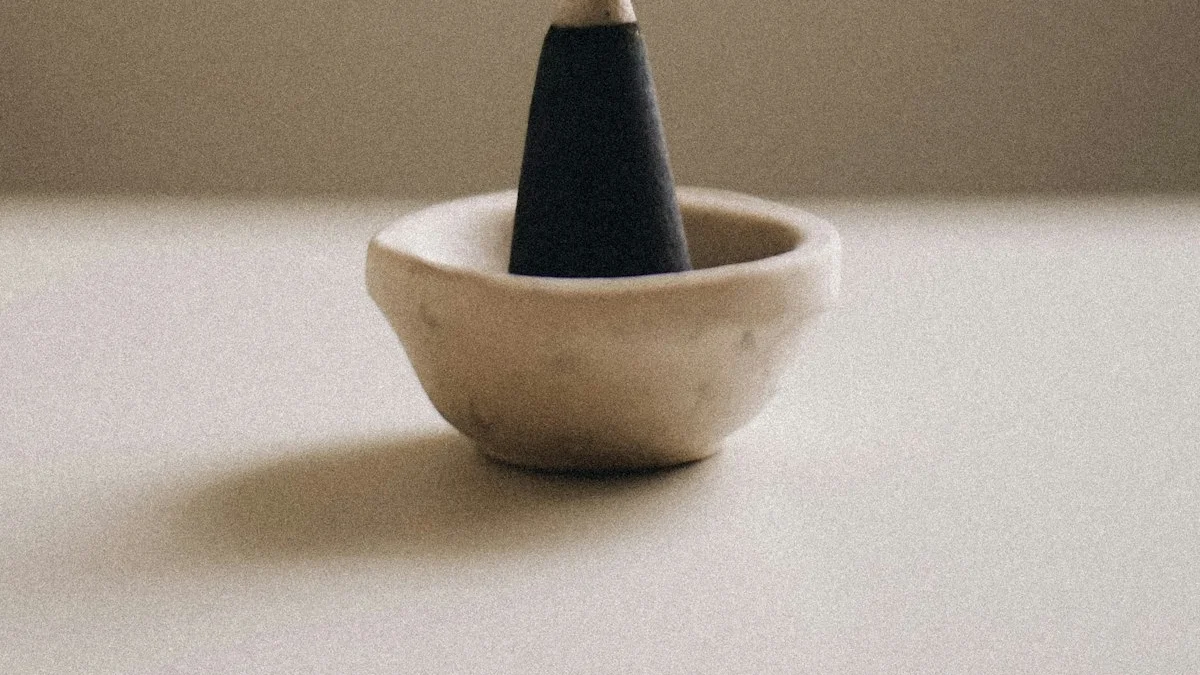
You have seen the phrase on a candle label and in a workshop brochure, usually beside a price. One camp rolls its eyes and moves on; the other buys the bundle and a bell to match. The doctrine underneath the phrase is plainer than both camps expect, and it requires no unseen enemies: your Receiver is always tuning, and most of what it tunes to was chosen by nobody. Energetic hygiene, in this book, is the practice of choosing on purpose, on a schedule, without drama. This page gives the definition, the mechanism, the cadence, and the honest role of salt and smoke. The full defensive system this belongs to is laid out in the spiritual protection guide.
Key takeaways
- Energetic hygiene is maintenance of what the Receiver tunes to, not defense against spirits.
- Spaces accrue Signal residue; an immaculate person can still live inside an antenna.
- Hygiene is regular, not reactive: monthly regardless, plus after conflict, heavy visits, and drain.
- The practitioner holds the power; the tools hold the practitioner; focus is the current.
- The Shield is not war: it stops hosting parasites instead of fighting them.
What Energetic Hygiene Means in This Doctrine
The whole idea stands on one sentence about the instrument you live in:
“The Receiver is a tuning instrument, and it tunes to rooms.”
That is the mechanism, stated without metaphor trading. The Receiver, your body and nervous system as the book defines it, does not merely detect surroundings. It harmonizes with them, the way a tuning fork answers a nearby note. A kitchen where an argument was fought holds the argument. A bedroom holding a phone holds ten thousand strangers. You walk in settled and walk out slightly sped up, and if you were asked what changed, you would say nothing changed.
Energetic hygiene is the name for what changes it back. Not a ritual war against darkness, not a supernatural pest control, but the maintenance schedule of a tuning instrument: deliberate, recurring, and boring in the way all good maintenance is boring. The book’s own Shield Operation is built on the same plainness, and its philosophy is worth quoting in full because it is the opposite of the paranoid version sold elsewhere:
“It does not fight parasites; it stops hosting them.”
Residue: What You Have Felt Without Naming
The doctrine takes a feeling you already know and gives it a mechanism:
“Spaces accrue Signal residue, and a man can be immaculate in himself while living inside an antenna pointed at everything he is trying not to receive.”
You have felt the heaviness of certain rooms and the lightness of others, a hundred times, without naming it. The meeting room where the last reorganization was announced. The hallway where the phone call went badly. The third chair in the kitchen that nobody names and everybody avoids. The doctrine’s claim is not that ghosts sit there. It is that attention is a current, and whatever attention did in a room repeatedly has left a charge that your Receiver keeps answering.
This is why a person can be flawless in practice and still feel drained at home: the state is held at the center and leaked at the walls. The residue of rooms is its own subject, handled room by room in rooms that bill you: reading the residue of spaces, which teaches you to spot the charge before the fatigue does.
Regular, Not Reactive
Here is where most people’s version of hygiene fails before it starts: they cleanse after a bad day and never otherwise. The book prescribes the opposite rhythm:
“Cleanse after conflict in the home, after a heavy visit, after a season of drain - and monthly regardless, as maintenance.”
Monthly regardless. Even in the quiet month. Even when nothing happened, especially when nothing happened, because the point of maintenance is that it does not wait for evidence. A reactive practice, cleansing only after disturbance, trains you to read omens and turns your home into a barometer of your last argument. A scheduled practice does the opposite: it removes the drama by making the cleaning boring, the way sweeping a floor is boring.
The same non-reactive logic governs everything else in the Shield: a two-minute daily practice that no crisis gets to inflate, and a monthly pass that no calendar gets to postpone indefinitely. The practical methods, salt, sound, and smoke, step by step, are walked through in cleansing a space: salt, sound, and smoke as focus.
What the Tools Actually Do
Now the part the skeptics came for, and the book does not soften it:
“salt holds no power over the Field. Neither does smoke, neither does sound.”
The substances do nothing. The practitioner holds the power, and the objects hold the practitioner: each tool is a handle for attention, and attention is the current that cleans. A thin line of salt at a threshold is a drawing aid for a decision about where you end. A bell rung through the rooms is a way of dragging deliberate attention into every corner. Smoke moves through a space like a cursor, showing you where your attention has already passed.
The book frames the two standard errors precisely:
“Despise the tools and you will use them sloppily; worship them and you have rebuilt the Veil’s superstition.”
Despising them means waving a bundle around while mentally mocking the whole exercise, which is attention pointed nowhere. Worship means believing the salt does the work, which rebuilds the very superstition the passage is demystifying. Use them as focus, and they work, because focus works. That sentence is the entire honest sales pitch, and it is aimed at the skeptic on purpose: the doctrine does not need you to believe in salt. It needs you to believe in attention, which you can verify tonight with a bell and a heavy room.
Hygiene Is Subtraction, Not War
The final reframe, and the reason this cluster is called protection rather than combat. A man at war is organized around his enemies, and a man organized around his enemies is already half-occupied by them. The shielded man is organized around his own center. Hygiene follows the same geometry: you are not scrubbing demons out of corners, you are closing the doors that let residue in and opening the ones that let it out. The old texts end every cleansing by opening a window, and not for the reason the romantics assume. The room must have an exit, and so must you.
That is why armor is the wrong image for all of it. Walls get attacked; authorship does not. The doctrine of protection as authorship, and why seals beat suits, is developed in why armor fails: protection as authorship. And because the Receiver broadcasts whether you are awake or asleep, the last word of any hygiene conversation belongs to the night, covered in the shield never sleeps: broadcasting through the night.
Frequently asked questions
Do I need salt, smoke, or a bell to practice energetic hygiene
No. The book is blunt: the substances hold no power over the Field, and the practitioner holds the power. The tools are handles for attention and nothing more. A two-minute daily shield, done with attention, outweighs a cabinet of instruments used carelessly. Buy a bell if you like bells; just do not hire it.
Is energetic hygiene the same as cleansing a space
Cleansing is one department of hygiene. The full practice also includes the daily shield each morning, the evening close before sleep, and a recovery rite for disturbed days. Cleansing handles the rooms; the shield and the evening close handle the broadcast you carry from room to room. You can run cleansing without the rest, but the rest is why cleansing lasts.
How is this different from just cleaning my apartment
Physical order genuinely helps, and a tidy room settles the Receiver. But residue is a record of what attention did in a space, not of what dust did. An immaculate apartment can still be an antenna aimed at everything you are trying not to receive. Clean both: the floor because you live there, the residue because you broadcast from there.
How often should you practice energetic hygiene
The prescription is monthly regardless, as maintenance, plus after conflict in the home, after a heavy visit, and after a season of drain. The daily shield and the evening close run constantly underneath it. If you are cleansing every day in response to every mood, that is not hygiene; that is reaction wearing a robe.
Can energetic hygiene turn into paranoia
Yes, and the book names the failure on the first page of the chapter: paranoia is leakage wearing armor. If your practice becomes organized around enemies, seen or unseen, you are half-occupied by them, which is the exact condition hygiene was meant to close. The test is simple: after practice, are you more centered or more watchful. Only one of those is hygiene.
This guide is educational and spiritual in nature. It is not medical, legal, or financial advice. If a practice brings up distress, speak with a qualified professional.
Energetic hygiene, in the end, is a schedule: two minutes most mornings, one breath and a glance at night, an hour of attention through the rooms once a month. Nothing in it requires belief in anything you cannot test with a bell tonight. The complete Shield Operation, with the exact forms and sentences, is in The Obsidian Key.