You decide tonight that tomorrow you will sit. Then morning arrives, the alarm goes off, and the warm rectangle of the bed makes its offer: stay horizontal, half-dream the practice, call it done. Most people who try to meditate in bed are not lazy. They have simply never been told why the first instruction of the morning practice is about furniture. The meditation posture in a chair is where the whole daily protocol of the Key begins, and it is the detail that decides whether you train the instrument or only rehearse sleeping while upright in theory.
This page takes that instruction apart: why a chair and never the bed, how to set the posture step by step, and what repetition at the same address does to a nervous system over the weeks. It is one piece of the morning rituals guide, where the full sequence of the Key is laid out.
Key takeaways
- The posture instruction is explicit: sit in a chair, not a bed, with feet flat, spine erect but not rigid.
- A bed invites sleep, and the morning seat is work before the day starts talking.
- The same chair at the same time teaches the Receiver a groove that begins carrying you down on its own.
- Discomfort in the seat is the noise changing mediums, not a reason to quit.
- Falling asleep in the seat is information about rest owed, not a verdict on the practice.
Why the Book Starts With the Chair
The morning chapter does not open with philosophy. It opens with furniture, and the line is worth reading slowly:
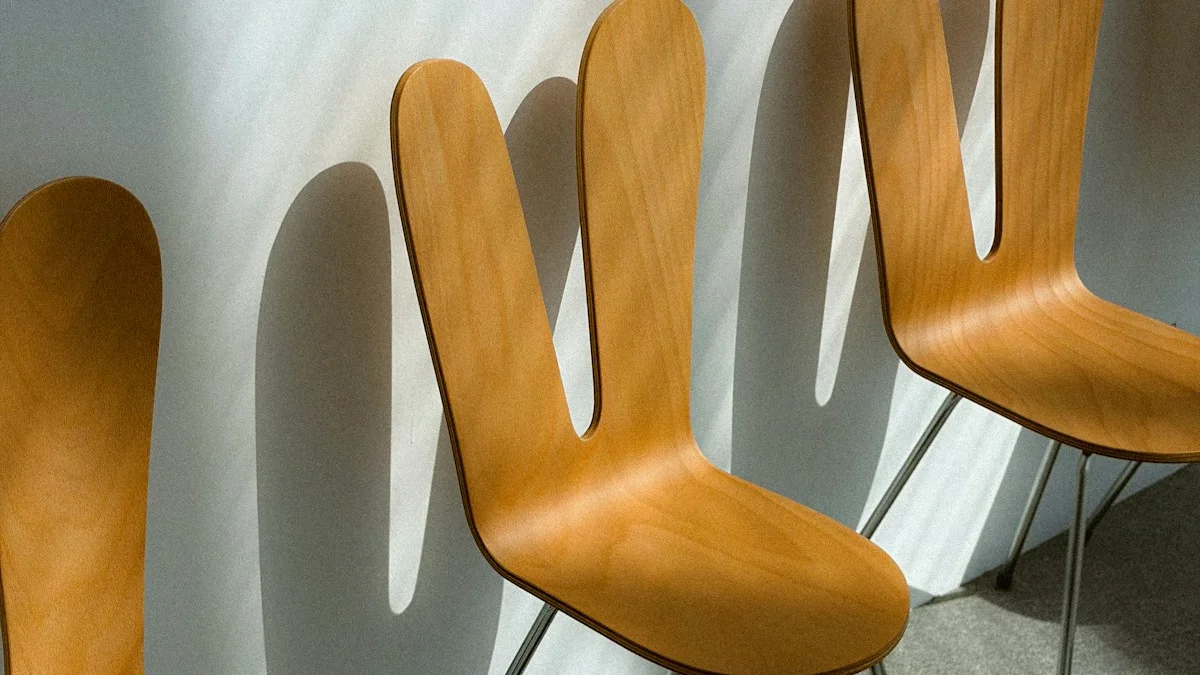
“Sit in a chair, not a bed. Feet flat on the floor, hands resting on the thighs, spine erect but not rigid, as though the crown of the head hung from a thread.”
Every clause there is doing a job. The chair keeps you at the border between waking and sleeping, which is exactly where the practice works. The bed erases that border, and a practice performed below the border is not a practice; it is a nap with good intentions. The floor keeps your body honest, because flat feet give the nervous system a clear report: upright, supported, awake. The spine instruction splits the difference between a soldier and a noodle, and the image of the crown hanging from a thread gives you a length of neck without tension.
There is also a quieter reason. A chair is an address. You can return to the same one at the same hour every day, and the practice treats that repetition as machinery rather than preference.
The Meditation Posture in a Chair, Step by Step
The setup takes about a minute once you have learned it. Here is the sequence, in the order the book gives it.
Place the feet
Sit forward enough that both soles rest flat on the floor. Not tucked under the chair, not crossed. Flat feet tell your body it is staying, and a body that believes it is staying stops campaigning for the bed.
Set the spine
Erect but not rigid, as though the crown of the head hung from a thread. You are not pulling yourself tall; you are letting the thread do the lifting while the shoulders settle. If you find yourself bracing, soften the jaw and let the spine find its own stack.
Rest the hands
Hands resting on the thighs, doing nothing. Hands are the most negotiable part of the body, and a hand that starts scrolling or adjusting is a hand that has left the room. Give them a job with no ambition: be placed, and stay placed.
Close the eyes
Eyes closed. The room you cannot see cannot assign you tasks. This is the last gate before the practice proper, and it doubles as the first act of turning the Receiver inward.
Return to the same chair at the same time
Then the instruction that turns a posture into an instrument:
“Use the same chair at the same time each day if you can. The Receiver learns a groove, and after some weeks the groove itself will begin to carry you down before you have done anything at all.”
That is the sentence most people underline and then ignore, and it is the most valuable one on the page. The groove is not a mood. It is a conditioned descent, cut by repetition into the same body at the same address, and it is the reason advanced practitioners seem to drop into stillness the moment they sit. They are not talented. They are grooved.
What the Groove Does Over the Weeks
In the first days, the descent is manual: you breathe, you count, you wait. The breath comes first, and the book is specific about the landing:
“By the ninth exhale you are present in the chair, and the Receiver is regulated enough to broadcast.”
Nine slow breaths, each exhale longer than the inhale, and the instrument is tuned enough to begin. As the weeks stack up at the same address, the manual labor shrinks. The chair itself becomes the first instruction; the body reads the seat, the hour, and the closed door, and starts settling before the counting finishes. This is why the practice cares about the address as much as the duration. Eleven clean minutes at a consistent address outweigh a long, irregular session, because the Field weighs the quality of the Signal, and quality is settled at depth.
If you want the breathing itself in detail, the nine breaths practice has its own page, and the quiet block that follows it is covered in the Still Seat guide.
If You Drift or Fall Asleep
During the seat, the work is a single move, repeated:
“You are not trying to empty the mind. You are declining to follow it.”
Drifting is not failure. Noticing that you drifted is the return, and a thousand returns is not a thousand failures. Sleep is a different report:
“Falling asleep in the seat means the Receiver is owed rest.”
Read that as data about your evenings rather than about your discipline. Pay the debt at night, sit earlier, or try a firmer chair until rest and practice separate. The full diagnosis lives in why falling asleep in the seat happens, and the bed itself rarely fixes it, because the bed was the problem the chair was solving.
When the Body Complains
In the first weeks the seat will itch: a foot wants to move, a shoulder wants to renegotiate. The book’s note on the body is worth keeping on hand:
“Discomfort in the seat is mostly the noise changing mediums; it has stopped using words and started using the body.”
Adjust once, slowly, and then let the posture hold. If you keep negotiating with every itch, you have moved the negotiation inside, and the noise has won on a technicality. You can rehearse the whole sequence, chair, timer, and closing rule, with the free toolkit, which walks the stillness step on its own before you owe anyone eleven minutes.
Where the Chair Sits in the Morning
The posture is the doorway to the first hour, not the whole hour. After the chair comes the breath, then the stillness, then the assumption work, in that order, and the order is not negotiable in the book’s own terms because each step prepares the next. The hour is mapped in the full morning ritual of the Key, and the reason the seat works best before sunrise, while the current has not yet taken your weight, is explained in why dawn stillness matters. You do not need more power to begin. You need less interference, and the chair is where the interference is first turned down. The practice behind all of it is described in the morning rituals pillar guide.
Frequently asked questions
Can I meditate lying down instead
You can, and it will train something, but it will not train the morning seat. Horizontal posture recruits sleep, and the morning practice is work performed at the waking border. If a body condition makes chairs hard, sit propped upright in bed with the feet flat and treat that as the adaptation, not the norm.
What if I do not have a quiet chair at dawn
Any chair holds still. Kitchen, office, car seat in a driveway before the shift starts. The instruction is a chair, not a shrine. Consistency of address matters more than beauty of address, which is why the practice says the same chair at the same time rather than the perfect chair.
How long before the groove forms
The book says some weeks, and practitioners report the turn around the second and third week: the descent begins on its own somewhere between sitting down and the ninth exhale. The groove is cut by repetition, so the honest answer is that it forms at the speed of your consistency, not your enthusiasm.
Does posture matter more than duration
They are not rivals. Posture decides what kind of state you are training, duration decides how deep it compounds. A slouched ten minutes and an erect two minutes train different things. The book asks for the posture first and the minutes second, because a groove cut crooked still holds, and it holds crooked.
This guide is educational and spiritual in nature. It is not medical, legal, or financial advice. If a practice brings up distress, speak with a qualified professional.
The posture costs nothing and decides everything, because the instrument that broadcasts your day deserves a real seat. The book that teaches the chair, the groove, and the whole morning sequence is The Obsidian Key.