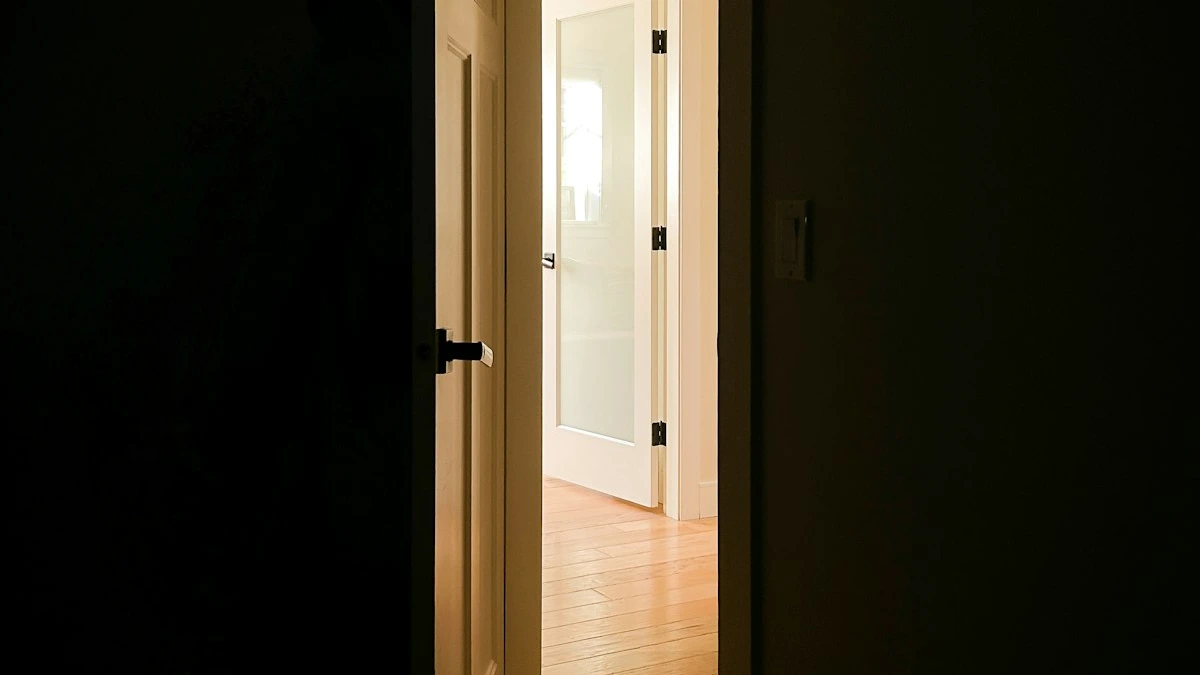
You chose the sentence last night, and this morning it is waiting for you. Coffee untouched, phone face down, you sit and say it once, inwardly, and then you wait for something to happen. Nothing happens. The words sit there like a line read off a card, and the doubt you expected arrives on schedule. This is the moment the practice actually begins, because the assumption seat was never about the sentence alone. It is the ten minutes that follow, where a sentence becomes a place you sit inside. It runs on the Second Law, and the full doctrine is laid out in the assumption and identity guide.
Key takeaways
- The assumption seat runs after the nine breaths: the sentence is spoken once, inwardly, and then the state is occupied, not requested.
- The scene is built from inside the eyes; a man who pictures himself on a stage is still in the audience, holding a ticket.
- The proof of occupation is relief, not excitement; excitement is wanting in a better costume.
- Five to ten minutes is enough, because the state must be occupied, not visited.
What the assumption seat is
Two laws meet in this chair, and the book gives the relationship in a single line about a desk.
“Stillness is the cleared desk; assumption is the first stroke of the pen.”
The nine breaths cleared the desk. The assumption seat is where the pen touches it. What you write there is not a wish and not a plan; it is an identity occupied from the inside, which is a different act from anything the word “manifesting” usually means. The chapter is precise about what it is not.
“It is not pretending, which is a performance aimed at an audience and which knows, all day, that it is a performance. It is not optimism, which is a mood. It is occupation.”
Occupation is the difference between standing outside a house admiring the door and standing inside the hallway calling it home. The doctrine behind that distinction, and why the Field answers identity instead of requests, is gathered in the guide to the assumed state.
Before the seat: one sentence
The seat needs a sentence, and the sentence has an old, exact form: I am the man who, or I am the woman who. The ending is an identity, not an outcome. Not the man who has ten thousand dollars, but “I am the man money moves toward.” Three tests sort a good sentence from a pretty one: it is present tense, it describes a self rather than a lottery number, and it is large enough to change your posture while remaining small enough to survive contact with your own disbelief. Speak each candidate once and watch for a flicker of quiet relief under the skepticism. That flicker is the door. If the writing takes longer than a morning, the rules and examples are collected in the guide to writing assumption sentences, and a worksheet version lives in the toolkit.
The seat, minute by minute
Minute one. The breaths come first, and if you have not met them yet, they are laid out in the nine breaths technique. When the ninth exhale lands, speak the sentence once, inwardly, without urgency. Once. Repetition turns the seat into a chanting session, and volume was never the mechanism; the Field has no ear for emphasis.
Minutes two and three. Stop saying and start occupying. The instruction that separates this from every visualization you have abandoned is a matter of geometry: the scene is seen from inside, not watched from outside.
“A man who pictures himself on a stage is still in the audience, holding a ticket.”
So put the feet where his feet would stand. The commute looks different from inside the man who is already easy about money. The difficult colleague arrives differently to the man who is already respected, and receives the same flat, unbraced attention he gives any Tuesday.
The middle minutes. Nothing dramatic is supposed to happen here, and the instruction names the finish line instead.
“Hold the seat for five to ten minutes, until the state stops feeling like a sentence you are saying and starts feeling like a place you are sitting.”
A sentence is performed from outside. A place is inhabited, and inhabiting takes a few minutes of doing nothing but looking out at the day from the chair inside it.
The last minute. From inside the state, look at the first concrete thing the day holds, the inbox, the drive, the room you will walk into, and see it as the occupied man sees it. Then open your eyes and go be him. The state leaves the room with you; it was never meant to stay on the cushion.
Relief, not excitement
The seat has a built-in gauge, and the chapter gives it two readings.
“Excitement means you are still at the window. Relief means you are inside.”
Excitement is the taste of wanting in a better costume, the thrill of admiring the life from the sidewalk. Relief is lower and stranger: a weight you had stopped noticing being set down, the feeling of a load that was carried for years finally touching the floor. When relief arrives, even faintly, you are inside the house, and the house is the whole point. Excitement can be enjoyed and then released without guilt; it belongs to the audience.
The body carries it out of the room
An occupied state is not held in the sentence; it is held in the body, and the body takes it where the mind cannot.
“once the body holds the state, the Signal carries it continuously, the way a struck bell carries its note after the hammer has gone”
The state has a breath rate, a set of the shoulders, a tempo of walking. The seat’s real work is letting the body learn that posture while the mind is still. By ten minutes, the bell has been struck. What keeps the note ringing through the other hours is the evening practice of re-authoring the day’s scenes before sleep, described in the evening replay.
When it feels like a lie
An assumption always feels false at first, and the falseness is not a malfunction; it is the definition of the thing. A memory feels true because it has evidence behind it. An assumption is a claim made ahead of the evidence, so it arrives wearing the costume of a lie. The feeling softens near the end of the first week, and it does not soften into thrill. It softens into ordinary calm, which is what truth feels like before the world gets around to confirming it. You can keep the seat through that week precisely because the seat asks so little: one sentence, ten minutes, a chair.
Frequently asked questions
How long should the assumption seat last
Five to ten minutes, after the nine breaths and before the first screen. The clock matters less than the interior shift from saying to sitting, and a state that gets truly occupied for five minutes outperforms a state toured for half an hour.
Can I sit in the assumption seat in the evening
You can, and the evening version tends to become the replay: scenes from the day, re-authored as the occupied man. Morning is the natural home for the seat because the day has not yet been written, but a missed morning is repairable at night rather than skipped.
What if I feel nothing during the seat
Feel nothing, and stay anyway. Occupation is not measured by sensation at the start; the sentence gets spoken and the looking gets done, and the feeling tends to arrive late, as relief. A flat seat with the looking completed beats a vivid seat with you still narrating from the audience.
Should I repeat the sentence throughout the day
The sentence is spoken once in the seat, and the state does the rest. Repeating the words all day usually means the state never got occupied and the words are being asked to substitute for it. If the day pulls you back into the old self, return to the feeling of the seat rather than the words.
Why does the state feel false in the first week
Because an assumption is a claim ahead of its evidence, and the mind compares every claim against its records. The comparison is automatic and not a verdict. The false feeling thins as the body learns the state’s posture, usually by the end of the first week.
This guide is educational and spiritual in nature. It is not medical, legal, or financial advice. If a practice brings up distress, speak with a qualified professional.
Inside, not impressed
Ten minutes, one sentence spoken once, and the quiet work of looking out at your own day from inside a different identity. The seat does not ask for belief, only for occupation, and it tells you plainly which feeling to trust: the low relief of being inside, not the bright excitement of still being at the window. The grammar behind that difference, wanting versus assuming, is taken apart in the piece on the grammar of lack. The practice, the sentence, and the law it serves are all in The Obsidian Key.